The Growing Body of Research on 3D Printed Anatomical Models
A look at published findings on prenatal bonding, surgical planning, and education using physical anatomical models.
Published research on 3D printed anatomical models spans prenatal bonding, surgical planning, and clinical education, generally finding that physical models support emotional connection during pregnancy and improve surgeon-reported confidence and trainee understanding in complex cases. Larger, standardized studies are still needed to quantify these benefits across specialties.
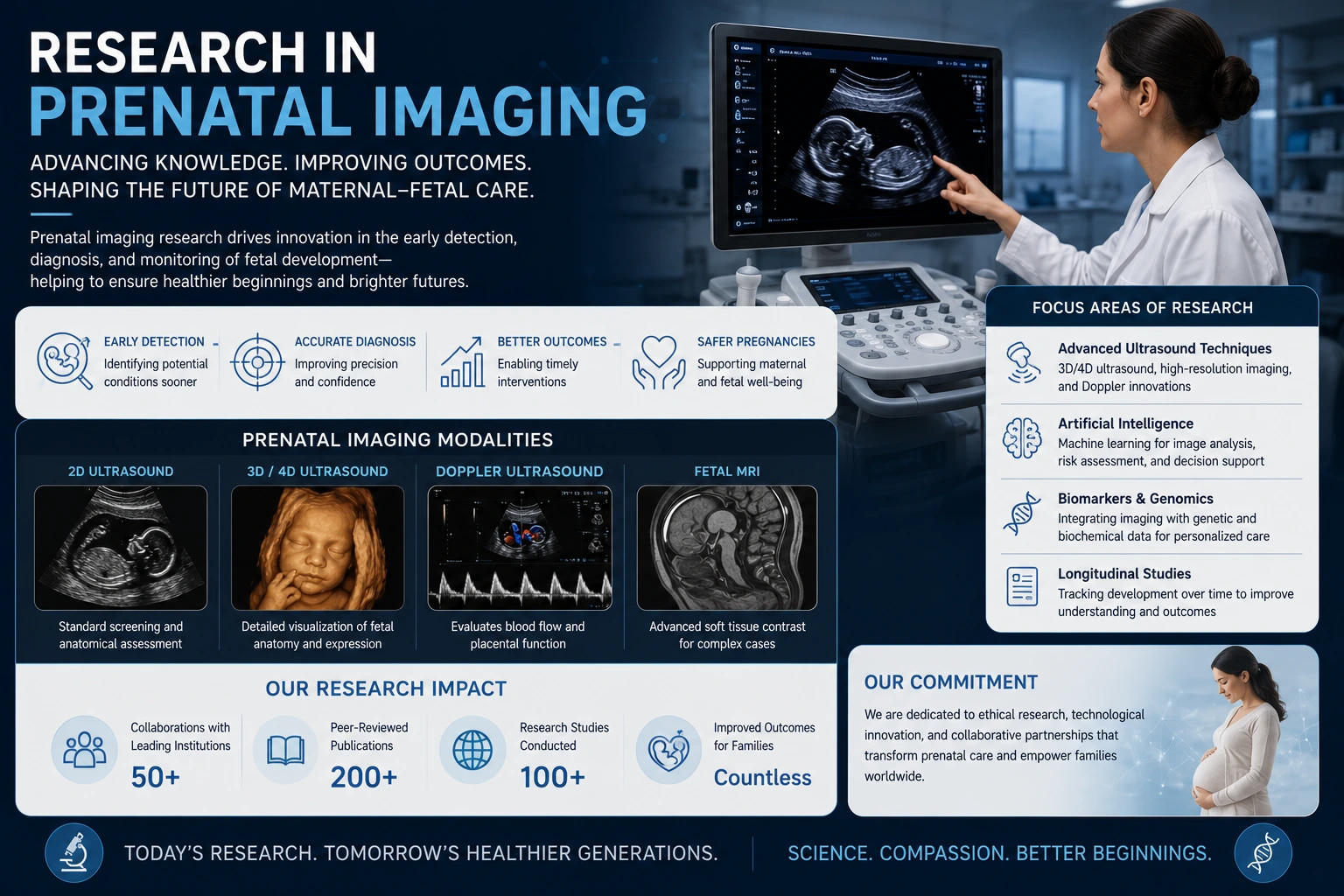
Medical 3D printing has generated a steadily growing body of academic research over the past fifteen years. This article summarizes the general themes of that literature at a high level — see our Clinical Value page for specific citations relevant to LifePrint 3D's applications.
Why Researchers Study Physical Models
Researchers are interested in whether physical models measurably improve outcomes like surgical planning time, trainee understanding, patient comprehension, and emotional or psychological measures such as prenatal bonding.
This requires comparing outcomes with and without a physical model across defined patient or trainee groups, which is more resource-intensive than simply describing a new printing technique.
Findings on Prenatal Bonding
A body of research has examined how tangible representations of a pregnancy — including 3D ultrasound imaging and physical keepsakes — relate to measures of prenatal attachment and bonding.
General findings in this area suggest that vivid, personalized representations of the fetus can support emotional connection during pregnancy, though results vary by study design and population.
Findings on Surgical Planning and Education
Multiple published studies across neurosurgery, cardiac surgery, and orthopedics have reported that physical models can improve surgeon-reported confidence, reduce planning uncertainty, and in some cases reduce operative time for complex cases.
In education, learners studying with physical anatomical models have shown improved spatial understanding in several published comparisons against 2D-only teaching methods.
Open Questions for Future Research
Larger, standardized studies are still needed to quantify the size of these benefits across specialties and to determine which specific cases benefit most from a physical model versus advanced digital 3D visualization alone.
Cost-effectiveness, ideal model materials, and long-term outcome tracking also remain active areas of ongoing academic study.
Key Takeaways
- Researchers are interested in whether physical models measurably improve outcomes like surgical planning time, trainee understanding, patient comprehension, and emotional or psychological measures such as prenatal bonding.
- A body of research has examined how tangible representations of a pregnancy — including 3D ultrasound imaging and physical keepsakes — relate to measures of prenatal attachment and bonding.
- Multiple published studies across neurosurgery, cardiac surgery, and orthopedics have reported that physical models can improve surgeon-reported confidence, reduce planning uncertainty, and in some cases reduce operative time for complex cases.
- Larger, standardized studies are still needed to quantify the size of these benefits across specialties and to determine which specific cases benefit most from a physical model versus advanced digital 3D visualization alone.
Frequently Asked Questions
Where can I find specific research citations?
Our Clinical Value page compiles specific published research relevant to prenatal bonding and physical anatomical models.
Is 3D printing proven to improve surgical outcomes?
Published research generally shows benefits in surgeon confidence and planning efficiency for complex cases, though the evidence base continues to grow and vary by specialty.
Related articles
Related images
Glossary · Frequently asked questions · All Learning Center articles